Take Those Pictures, America

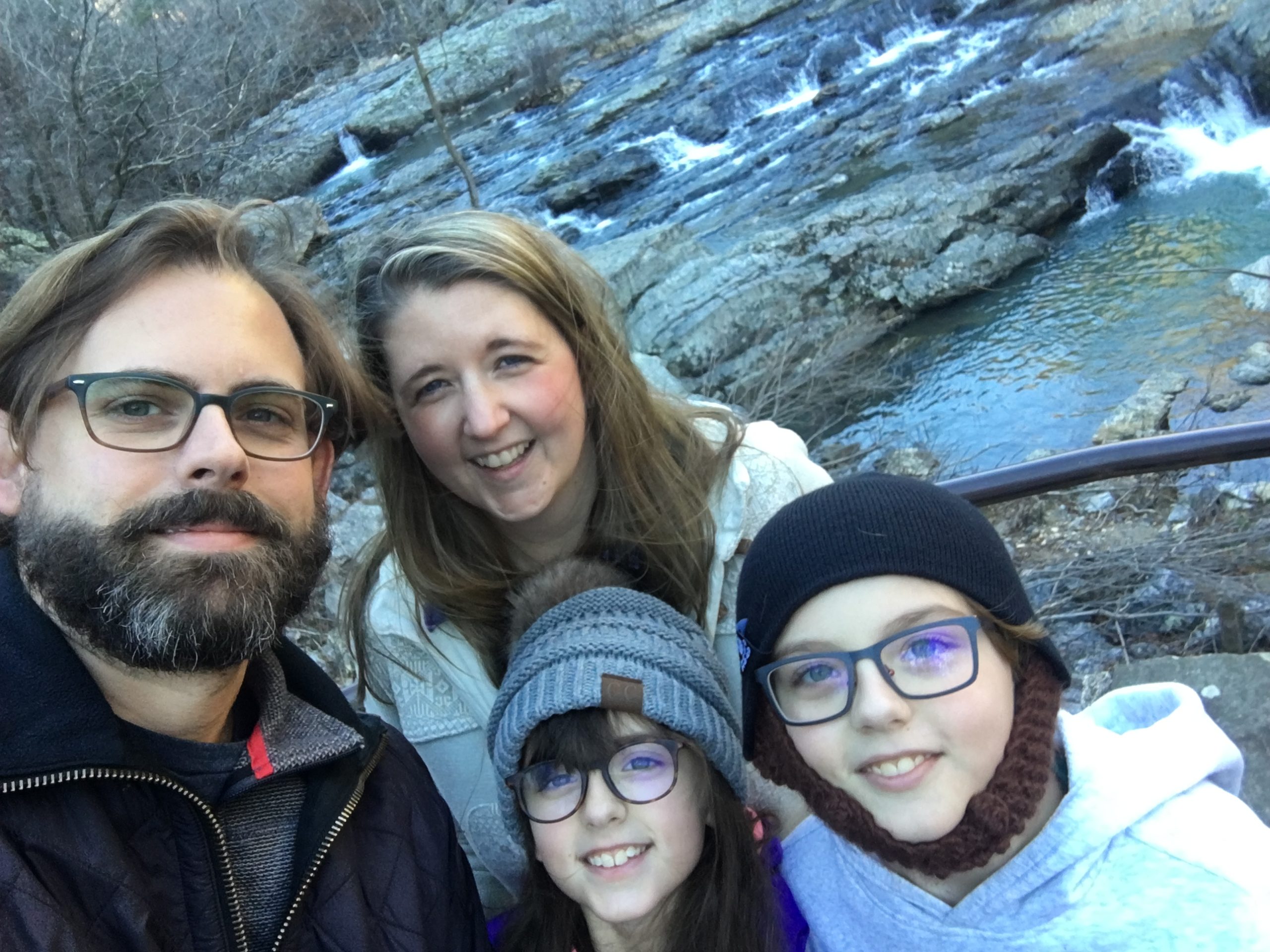
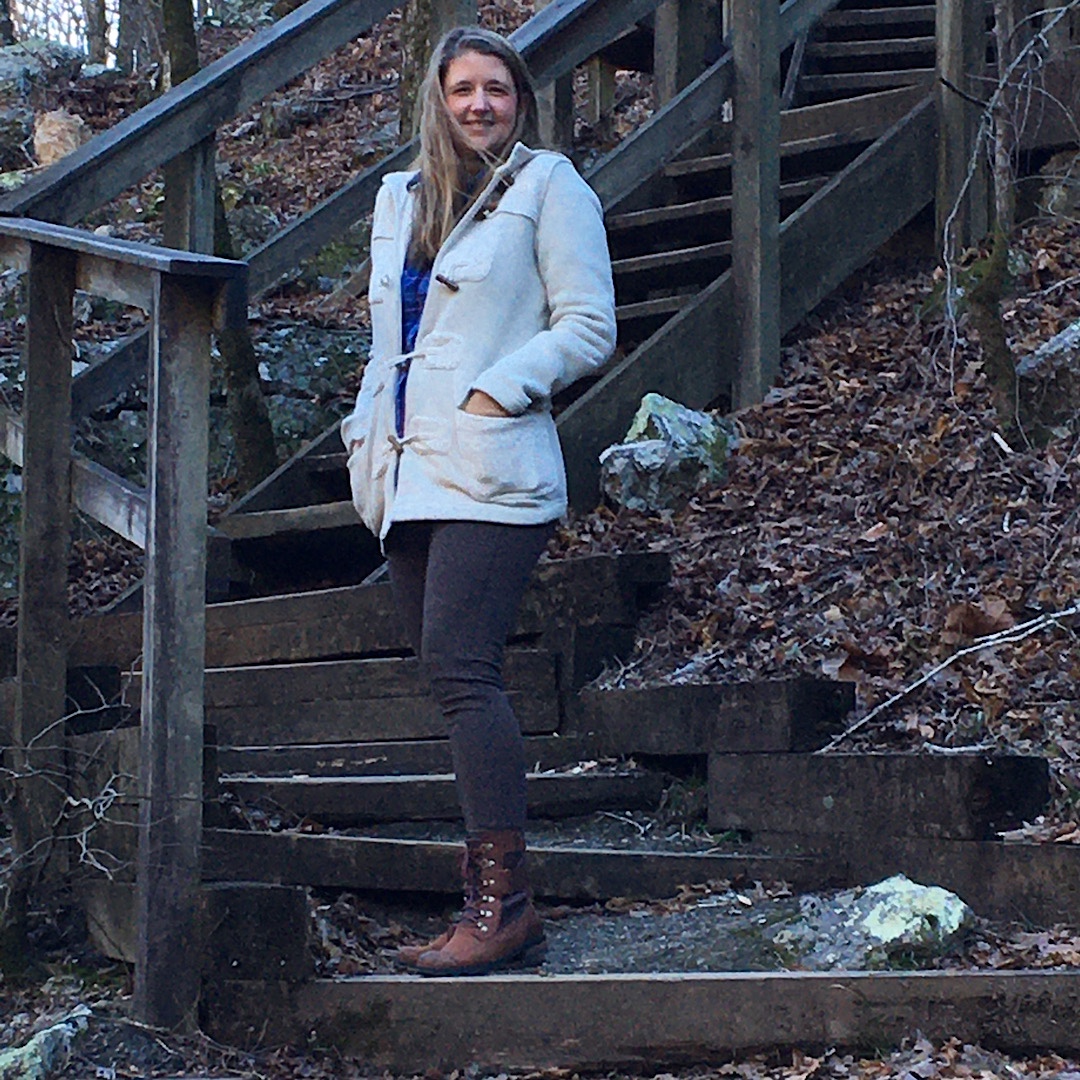
As many of you already know, I had grand plans this year for our Summer of America. After a year of sitting at home thanks to Covid, I was ready to be on the move. It was time to see the country. My extensive traveling tour took us all the way to the Grand Canyon in the West, to the middle of Florida in the East, then back again. We racked up 6,000 miles on the road this summer. We created a playlist of favorite songs, packed a lot of snacks, stayed in roadside motels and mega-hotels, and made the best memories in between.  

I learned a lot about our country as we drove those miles. Mainly that people are people no matter where they live or what they look like. There are poor people and rich people. Nice people and mean people. People who have a ready smile and easy laugh, and people whose faces are hard and set in place. 

The accents might be different, the clothes and shoes vary depending on the climate. The skin tones are dark or light. The food changes from state to state (green or red salsa, anyone?), the art depicts the local culture, and the landscape transforms from stone to sand to green. 

But there is one thing that I noticed everyone had in common no matter where we traveled – we love taking those pictures, America. 

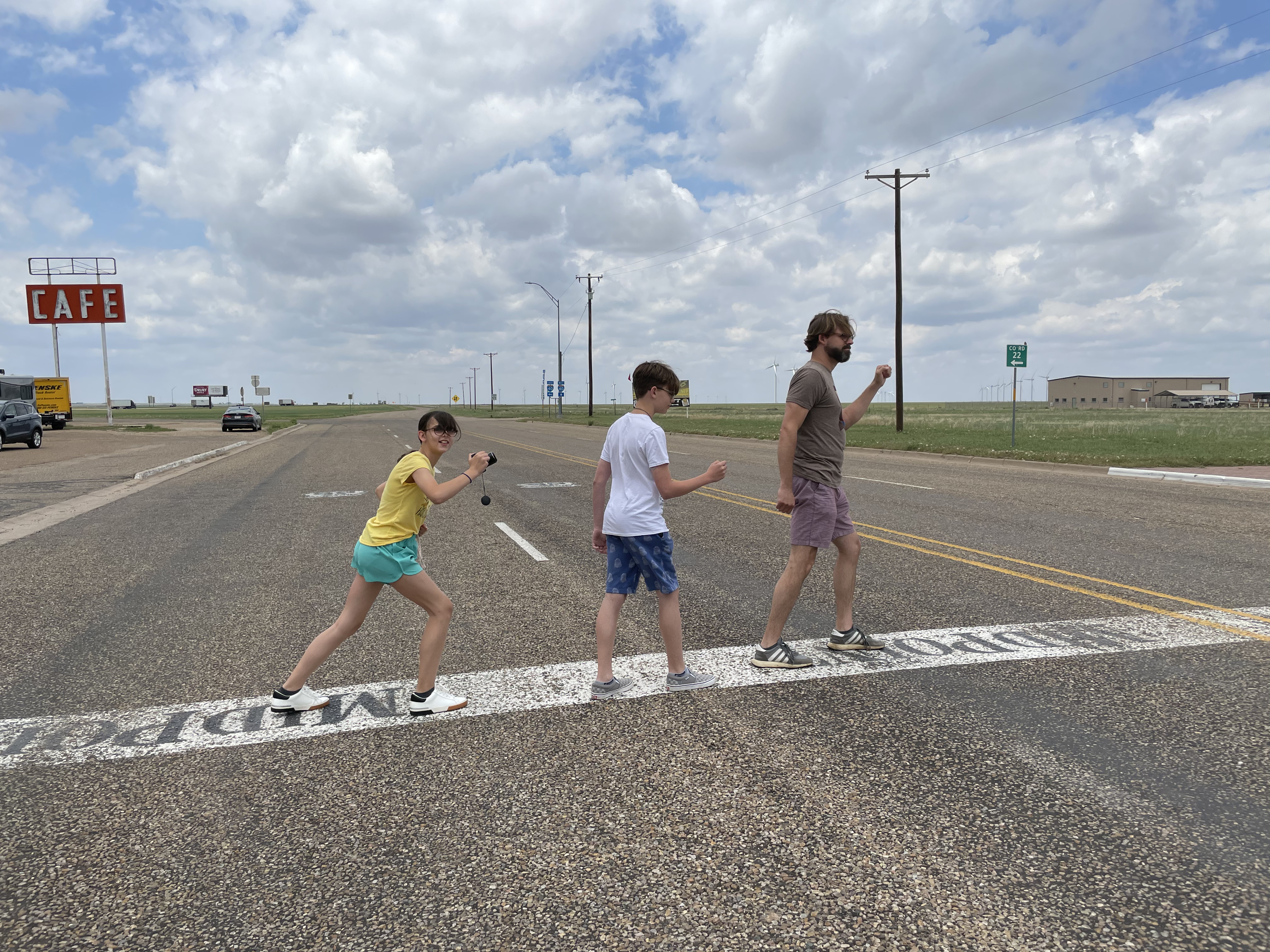
From the top of the Grand Canyon to the corner of Winslow, Arizona, we pose and smile as soon as someone whips out their phone. We love to snap a picture of where we’ve been, proof that we stood on that very spot at that moment in time.

We probably took thousands of photos this summer and I watched hundreds of other families do the same. We would all stand in line in a certain spot, next to a statue or a historical marker or a giant bunny you could sit on. And I noticed that there were a few unwritten rules everyone seemed to innately understand and follow while taking these pictures.

1 – No cutting in line. Wait your turn. Don’t sneak around the side and try to grab a picture. Go to the back of the line and be patient. No one likes a line-cutter.

2 – Don’t hog the picture spot. Take a few photos of your family and move on. People are waiting, so don’t be rude. 

3 – My favorite rule of all. Offer to take the picture of the people in front of you. Grab their phone and say a few cheesy things like “We made it to the Top of the Ball of Yarn!” Become a photo expert and take some shots close up then far away. Giggle with the strangers as you hand them back their phone and say “See you at the Jackrabbit!” 

I watched family after family have their pictures taken by strangers. And you know what?

It gave me a little bit of hope that our country was going to be ok.

If we can trust someone we’ve never met to hold our very expensive phones and be the coordinator of our most precious possessions – our family pictures – then maybe, just maybe we can trust each other in the big things too. Maybe we have more faith in our fellow countrymen than we like to believe. Maybe America is not such a bad place where all we do is argue and call each other names. 

Maybe the real America is found somewhere near a Giant Jackrabbit – In a line of families all waiting to take a photo.

Maybe someone offers to take a picture of your family and you hand over your phone and after a few shots you ask where that person is from and they say Utah and you say Louisiana and then you invite each other to visit your state sometime. Maybe you decide to snap a picture with that person from Utah just for the fun of it. And you don’t ever know her name or why she’s on the road or who she’s voting for or what she believes. But you know she took your picture. And she smiled a lot. And she told you that you had a beautiful family. 
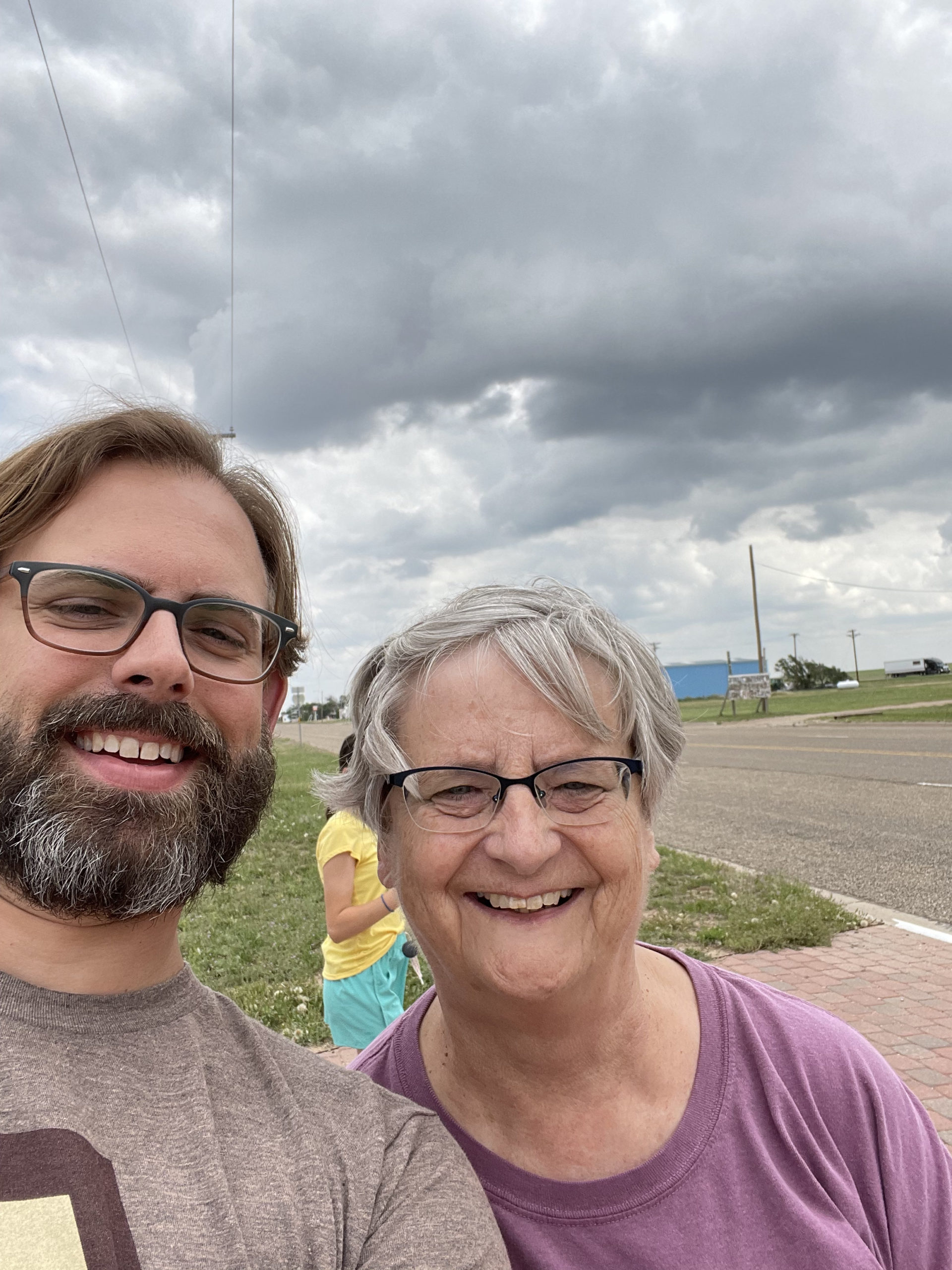
And maybe that’s all we need to do for each other. Offer to take someone’s photo. It might just be the start of learning to love our neighbor again. 

Say Cheese, America. 

Share This:

Not Too Short To Save

“Surely the arm of the Lord is not too short to save nor his ear too dull to hear.” Isaiah 59:1

The year 2021 marks seven years that Hugh has lived with Type 1 Diabetes. 

As I sit here and type this, in the dark hours of the early morning, I have already stopped once to wake Hugh up and make him drink a juice box. I look at his sleeping face, his soft snores still like a child’s, but his long arms and limbs telling me he won’t be a child much longer –  and I feel myself falling. Falling back into the pit of fear that holds me hostage so often. How can I take care of him as he grows older? What’s going to happen when he becomes a teenager? How will he ever go to college and care for himself? What if something happens to him? 

The pit is deep and scary, but I know it well. Sometimes I feel like I’ve been living in that pit for seven years. 

Seven years of living with fear. 

Seven years of watching my son live a life he did not choose. 

Seven years of my asking, begging, pleading with God to give it to me – let me take the burden of Type 1 Diabetes and allow my child to go free. 

Seven years of reaching up, clawing my way out of a pit to a God who seems just beyond my fingertips – a God who can’t save me because my pit is too deep. 

“Save my son, Lord” I cry out in desperation – on nights when it’s dark and lonely. Nights when Hugh’s blood sugar drops dangerously low and my heart stops beating for a few minutes. 

“Save him,” I demand as I sit on the end of his bed, pricking his fingers over and over until I see the numbers on the meter slowly start to rise. 

“Save me,” I beg as I slip under the covers next to Hugh, his dreamy sigh letting me know his body has relaxed. He can return to a peaceful sleep while I stay awake and watch his numbers for a little longer. 

But it seems like God is just out of reach – I can see Him from the depth of my despair and I am stretching up to Him, but His hands can’t quite touch mine. I stand on my tiptoes, I jump, I climb. I clench my teeth and square my jaw – my sheer determination and despair for my son keep me reaching. I can’t stay in the pit. 

I call out to Him, over and over. “I’m here, God! Help me! Save me from my fear and my anger. Save me from the bitterness that creeps into my heart. Save me because I am so mad that my son, out of all the sons, has to have this forced upon him. He doesn’t deserve this. Save me, Lord!”

I can see God’s arms – he’s reaching down to me. But I am too far away. Too far in the fear and the anger. He can’t save me.

His arms can’t reach me. 

But then I catch a glimpse of something else –  I see other arms. They are attaching themselves to the arm of God and they are forming a chain of arms intertwining, tangling, stretching all the way down into the pit – all the way down to me.  

“I’ve been praying for you and Hugh,” she tells me as we stand in a fast food line both ordering Kids Meals for our little ones. I haven’t seen her in years, but she had heard about Hugh’s recent diagnosis. “How is he doing?” she asks. “I know it must be so hard. I’ll keep praying for you.” I look away quickly so she won’t see the tears stinging my eyes. How did she know that I could not pray? How did she know that I so desperately needed to hear those words that day? 

“Here’s my cell number,” she hands me a slip of paper. “You call me anytime. I remember when my daughter was first diagnosed. It was really hard – so I’m here to help.” And I call, over and over, simply to hear those words of hope that I cannot manage to find myself. 

“I want you to know I will do everything in my power to keep Hugh safe at school. He’s going to have a great year,” she writes in an email – her words a salve to my anxious soul. Her dedication and commitment lighting a tiny flame that Hugh will be able to go to school and be ok. 

The arms keep coming – an offer of a night off, a hug, a coffee date, a card in the mail, a friendship formed. And soon the arms are with me – in my pit of fear. And they are grabbing me and holding me tight, lifting me up to the sunlight. And finally, finally I feel myself being wrapped in the arms of God. The arms that are never too short to save. 

Not when they are intertwined with our arms and our hands and our feet. 

I leave the pit behind me, choosing to walk into the arms of the One who has been reaching for me all along. I know this morning won’t be the last time I fall into the pit. Sometimes it sneaks up on me, sometimes I choose to jump in – feet first and with all the anger and righteousness a mother can have. 

Sometimes the pit of fear is easier than reaching for the arms. 

If I have learned anything in these seven years, though, it’s this – The pit will always be there. The pit of fear or anger or selfishness or bitterness – the pit of unfairness or jealousy or rage. We all have one. And we may be in it quite often. But as long as the pit is there, so are the arms. 

Dear Friends, – if you are in your pit, all you have to do is look up. And, friends, if you are out of your pit, attach yourself to the arms of God and reach down.

Share This:

The Man in the White Coat

Sometimes I picture him as an older man. He has a grey beard and silver hair and wrinkles around the corner of his eyes. Sometimes I picture him as a young man. He is just starting out his career and is learning the hard ropes of being a doctor. At times his skin is light, other times it is a beautiful mix of brown and gold. Sometimes, in my mind, he has a stethoscope slung carelessly around his neck because he had seen so many patients that day and we were his last ones before his long shift ended. Other times he is dressed crisp and neatly, with pressed pants and a starched shirt. He is ready for whatever might come his way as he is just starting his rounds at the hospital. 

Honestly, I can’t remember what he looks like. I’ve tried over the years – I’ve tried to conjure up the image of that doctor who saved me that night in the ER. I can’t ever really picture him, so I like to make him look all different kinds of ways. I wish I could remember. I wish I knew his name. 

But the only thing I can really say for sure is that he was wearing a white coat. 

The man in the white coat is the one who lifted me up on that awful, miserable day. He rescued me from a tomb of fear, anger, despair, and utter destruction. He set me on the path that would lead to hope and love and faith in humankind. 

And I can’t even remember what he looked like. 

I guess it doesn’t matter, really. Because the fact is what he looked like was the last thing I was concerned about in that moment. I didn’t care who he had voted for in the last election. I didn’t care if he was conservative or liberal. I didn’t care about his beliefs or his convictions. His lifestyle, his charities, his political views . . . nothing mattered except one thing. 

He was kind. 

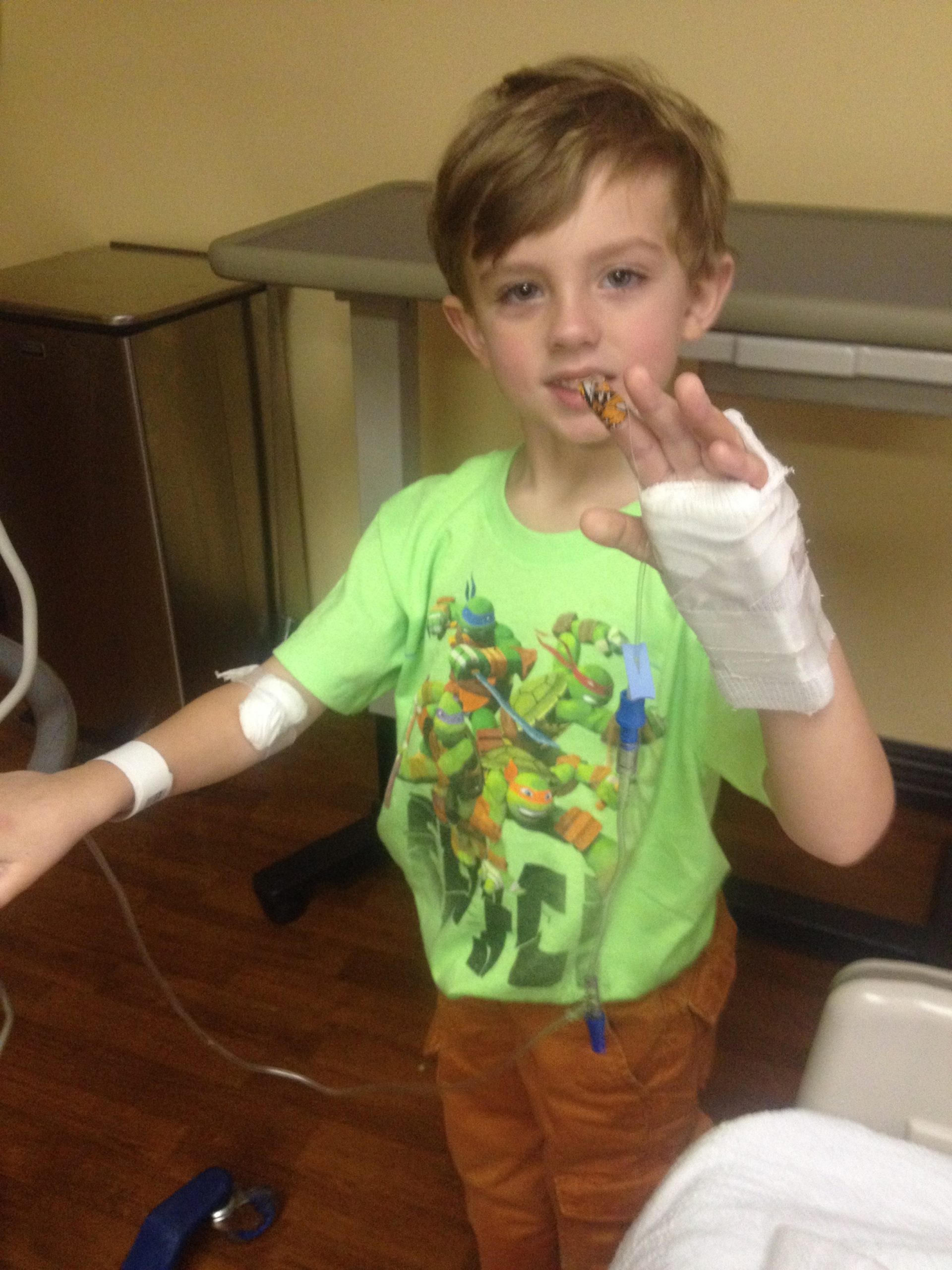
Scott and I were scared in ways we didn’t know was possible as we brought our young, frail, and very sick child into the man in the white coat’s emergency room. He was the rotating doctor in charge on the wing that evening. He could have easily dismissed us as one more patient he had to deal with. He could have rushed in and out with an attitude of busyness. He could have simply looked at the diagnosis of Type 1 Diabetes, thought to himself “Here we go again”, and gone through the steps of treating a sick boy. 

The man in the white coat did none of those things. 

Instead, he came into our small patient room. He saw two parents who were stricken with grief over their child. He saw the look in our eyes of panic. He saw a mother who was drowning. 

So the man in the white coat stops. He smiles. He puts the chart down and leans against the wall, casually crossing one ankle over the other. “Where are you from?” he asks softly. 

“Quite a drive in a rainstorm like this.” 

“I’m sorry to hear about your son’s diagnosis.”

And then the words that would start turning everything around – 

“I want you to know we’re going to do this right. Your little boy is going to have to endure a lifetime of shots and hospital visits from now on. We want to make sure that he starts off well.”

The man in the white coat carefully explains to us what they will do that night. No holding Hugh down kicking and screaming to get an IV in. “We’ll take our time,” he says. “We will bring in a specialist in helping children through this process.” 

He tells us that they will be careful with Hugh. That they want this to be a positive experience for him and that the hospital doesn’t need to be a scary place. He assures us that everything the nurses and doctors do will be to the end goal of getting Hugh healthy and safe. “Your son will be ok,” the man in the white coat says. “We will make sure of it.” And he did. 

I think about him at least once a week. 

Sometimes I close my eyes and think of him as I’m sitting on the floor of a family’s home. The mother is telling me she doesn’t have any money. The dad has gone to jail. Drug use is obvious and normal in their life. What would the man in the white coat do?

He would show kindness. He wouldn’t lecture or criticize. He would listen. He would do it right. 

Or I picture him when I become overwhelmed. When Type 1 Diabetes seems to be winning. When I just don’t want to do it anymore. 

The man in the white coat told us we would be ok. 

There are even times I picture him when the world seems dark and angry. When I start to wonder if any human being alive can be kind, I close my eyes and standing there is the man in the white coat. He was kind. 

I’ve probably created an image over the years in my mind of who the man in the white coat is. I’m probably mixing in a little of my imagination with a little bit of Jesus and a dash of who I hope to be. But man – if we could all just strive to be that kind of person. The person who helps instead of hurts. The person who listens instead of argues. The person who sees someone drowning and reaches down a hand – no questions asked. 

Because the truth is, the man in the white coat COULD be all of us. If we stopped asking whose side are you on, if we quit hurrying around, if we put kindness before accusations. 

In fact, I bet there’s a white coat hanging around your house somewhere and you’ve just forgotten about it. Go ahead – Reach way back into your closet and find your old and tattered white coat (or pink or navy or glittery or whatever floats your boat). Slip into it – doesn’t it feel good to put it on, kind of like you should have been wearing it all along? Doesn’t it fit you like a glove? Don’t you feel like yourself now that you’re wearing it again?

Now go admire yourself in the mirror. Do a few turns and check yourself out. Wow, that white coat looks good on you. 

Share This: